

Has anyone actually sat at that table and NOT ended the night arguing about paying rent on Park Place?
Monopoly might be the most universally shared negative play experience in human history. And yet somehow we keep coming back to it, generation after generation, dragging it out at the holidays like we don't already know how this ends.
Here's the part most people don't know: it was designed to be frustrating on purpose.
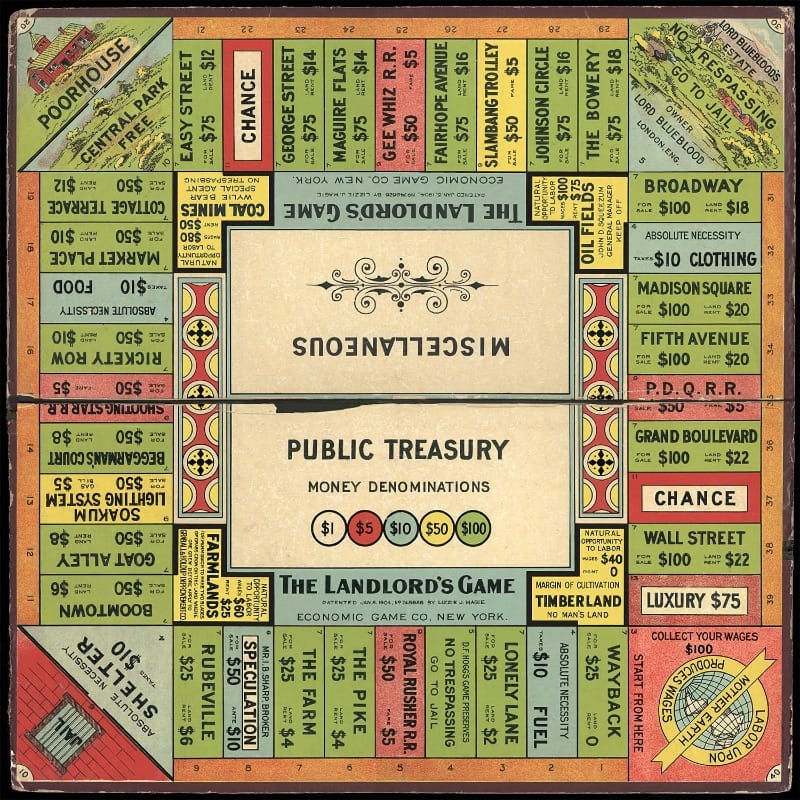
Monopoly wasn't invented by Charles Darrow, the guy who got rich selling it to Parker Brothers in 1935. It was created by a woman named Elizabeth Magie in 1904. She called it The Landlord's Game, and was designed to show the danger of monopolies. Magie thought the best way to make people understand that was to make them live it for an afternoon.
So she designed the game with two sets of rules. The Monopolist version, where you win by crushing everyone else and ending the night in tears (sound familiar). And the Anti-Monopolist version, where everyone benefited.
The irony is that when the game eventually got sold to Parker Brothers, only the cutthroat version made it into the box. She received $500 and no royalties. And for over a century, families have been ending game nights in tears without ever knowing they were participating in an economics lesson.
But here's what I keep coming back to: Magie wasn't doing something unusual. She was doing something deeply human.
Play has always been one of the most powerful vehicles we have for communicating ideas that are too big, too abstract, or too uncomfortable to land any other way.
And she is far from the only one who figured that out. Let's look at three more games that were built to do what words alone couldn't
Oregon Trail
Most people who grew up with a computer in their classroom remember Oregon Trail. You're a pioneer, making decisions about food rations and river crossings. And then, without warning, you have died of dysentery.
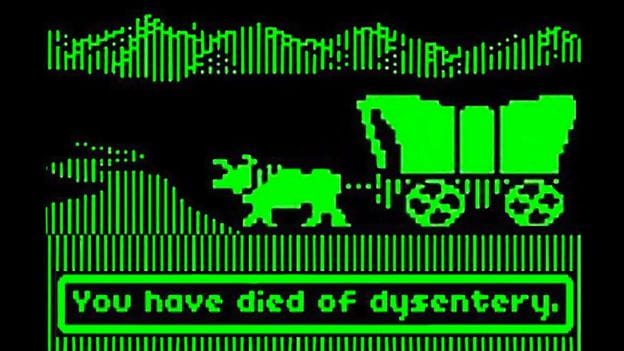
Oregon Trail was designed in 1971 by a student teacher, who was trying to figure out how to make westward expansion feel real to his eighth graders. Beyond memorizing dates, he wanted to give them an experience to survive.
War Games and Military Simulations
Here's a fun thing to pull out at your next dinner party: the military has been using play to communicate strategy and prepare for consequences for centuries.
Prussian officers developed Kriegsspiel, a war simulation game, in the early 1800s. It spread through European militaries because commanders realized something important: you cannot communicate the complexity of a battlefield through orders alone. You have to put people inside the decisions and let them feel what happens when things go wrong.
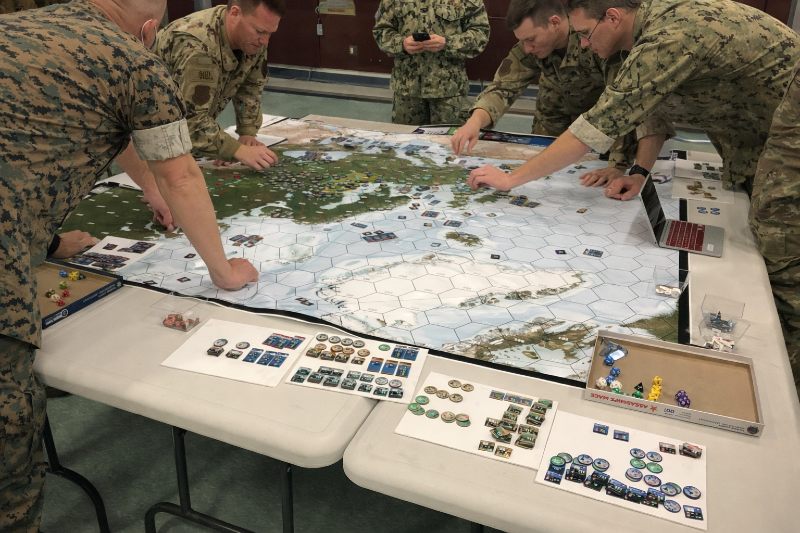
Militaries across the world still use war games today, not just for fun, but to communicate doctrine, test leadership under pressure, and surface assumptions that nobody knew they were making. The most serious institutions in the world trust play to prepare people for the highest stakes situations imaginable.
If that doesn't make the case for taking play seriously, I don't know what does.
Pandemic
Pandemic (the board game, to be clear) came out in 2008. Players work together to stop the spread of diseases across the globe before they spiral out of control. It is cooperative, tense, and surprisingly educational about how outbreaks actually move.
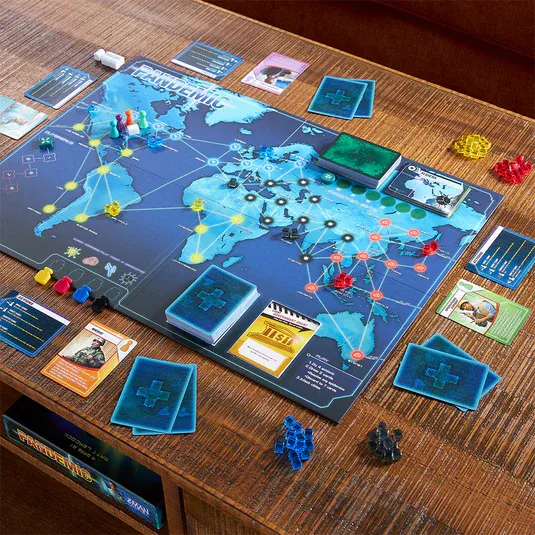
The designer Matt Leacock built it specifically to show how quickly things get out of hand and why working together is the only way through. And then 2020 happened, and people who had played it found themselves watching the real news and recognizing the patterns they had already lived on a game board.
It didn't make them epidemiologists. But it gave them a felt understanding that a press briefing rarely could.
So What Does This Mean?
All these games are working from the same insight: humans understand things differently when they live them, even in a simulated form, than when they simply hear about them.
That's the whole premise behind Once Upon a Roll. When we bring games into a team or leadership setting, we're not asking people to learn about communication or trust or decision-making. We're putting them inside a situation where those things are required, and letting the experience do the teaching.
Want to see what we can do for your team? Email us to chat: hello@onceuponaroll.com
Itching to play D&D? We run public games for all experience levels, from one-shots to full campaigns. Come see what games are available and join us!

